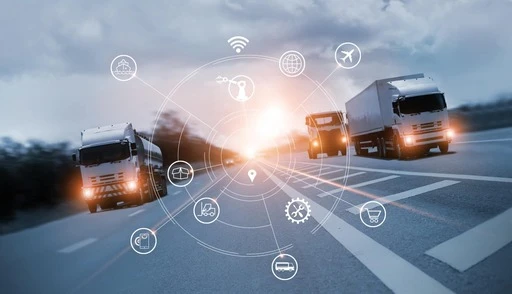
Gain Complete Control of Your Fleet with SantiTech IT Solutions.
Are you looking for a better way to manage your fleet's complexity? At SantiTech IT Solutions, we develop custom fleet management systems that give you the power to optimize every vehicle, driver, and route. Our solutions reduce your operational costs, enhance safety, and boost efficiency through real-time tracking, predictive maintenance, and data-driven insights. Stop reacting to problems and start proactively managing your fleet for maximum performance and profitability. Partner with us and transform your logistics and field operations with a solution designed for your success.
Project overview
The project to develop and implement a fleet management system follows a structured approach to deliver a solution that provides real-time insights and automated workflows.
- Needs analysis: A detailed assessment identifies specific client pain points, such as high fuel costs, driver safety concerns, or inefficient routing. This discovery process defines the core features required for the fleet's unique challenges, considering the types of vehicles and industry regulations.
- Platform development: The system is built with a mix of hardware and software. Telematics devices are installed in vehicles to collect data on location, speed, and diagnostics, while a web and mobile application allows managers and drivers to interact with the system.
- Data integration: The platform integrates data from in-vehicle devices, fuel cards, and other business systems to provide a complete operational picture. This integration is crucial for generating accurate reports and ensuring data integrity.
- Deployment and training: The system is deployed in a phased approach to minimize operational disruption. Comprehensive training is provided to fleet managers, dispatchers, and drivers to ensure quick adoption and effective use of all features.
- Ongoing support: The system requires continuous monitoring, maintenance, and support. A strong support structure ensures any technical issues are addressed promptly and that the platform remains updated with evolving regulatory standards.
Challenges
- Cost of investment: The initial investment in hardware, software, and implementation can be a barrier for small and medium-sized businesses (SMEs).
- Resistance to change: Fleet managers and drivers who are used to manual processes may be hesitant to adopt new technology. Training and demonstrating the system's benefits are essential for user buy-in.
- Data security: The system handles large volumes of sensitive data, making robust cybersecurity measures, including data encryption and access controls, critical for preventing breaches.
- Connectivity issues: Relying on cellular networks for data transmission can be challenging in remote areas with poor coverage. The system must have offline functionality to ensure data is not lost.
- Regulatory compliance: Fleet management systems must comply with ever-evolving regulations, which can vary by industry and region. The system must be continuously updated to avoid legal issues and fines.
Final results
- Cost savings: Automating route optimization, fuel consumption monitoring, and maintenance scheduling significantly reduces operating costs.
- Increased efficiency: The system streamlines dispatching, improves route planning, and reduces vehicle downtime, leading to faster service and increased productivity.
- Enhanced safety and compliance: Features like driver behavior monitoring, real-time alerts, and automated reporting on compliance with regulations improve driver safety and reduce legal risk.
- Improved customer service: Accurate ETAs, real-time delivery tracking, and more reliable service lead to higher customer satisfaction and retention.
- Data-driven decisions: Centralized reporting and analytics give managers valuable insights into fleet performance, enabling them to make smarter strategic decisions.